RCM

Vallée-de-la-Gatineau

Area map

An RCM (Regional County Municipality) is an administrative division that encompasses several local municipalities to help coordinate land management, economic development, urban planning and regional services.

Visit the RCM website
RCM website
City of Gatineau Papineau RCM Collines - de - l’Outaouais RCM Vallée - de - la - Gatineau RCM Pontiac RCM The Outaouais
Detailed version
Detailed version

A brief overview

Bordered by the Laurentides and Abitibi-Témiscamingue regions, the RCM’s territory follows the Gatineau River and Highway 105, which spans the entire region from north to south.

The Vallée-de-la-Gatineau is known for its hospitality and its commitment to preserving and highlighting its rich natural and historical heritage.

The Vallée-de-la-Gatineau RCM occupies 40.5% of the Outaouais region’s territory.

The land is also home to two Indigenous communities, where 1,583 people live.

The chief-place of the RCM is Gracefield.

Its total land area is 12,178 km2.

It has a total population of 21,074 people.

Why study here?

Nature as school playground

A calm environment, perfect for focussed work and general wellbeing.

Access to a variety of outdoor activities, such as hiking, skiing and kayaking, that help maintain a balance between school and leisure.

Striving for students’ success

A local community and regional organizations fostering the education and integration of young students.

Incentives to encourage student retention, scholarships and partnerships with educational institutions.

Hands-on learning opportunities

The strong presence of the forestry, agriculture, tourism and nature conservancy industries in the region allow students to access internships, cooperative programs, and field experience relevant to their degrees.

Many dynamic entrepreneurs call the region home, opening the door to business acquisition opportunities for students who get to learn from experience. They can gain valuable skills in management, innovation and entrepreneurship, while benefiting from local expertise and business networks.

Why live here?


A deep calming breath

A living environment far from the hustle and bustle of the city, for a peaceful, meditative and re-energizing lifestyle.

A serene atmosphere, ideal for people seeking a balanced life at a slower pace.

Life is easier among friends

Small lively communities where people truly feel that they belong.

A strong drive to help and support others, from both citizens and organizations, creating a social network where everyone feels valued and supported.

Over fifty community organizations active all over the region, offering a wide variety of services to the residents.

Nature as far as the eye can see

Quality of life made even better by the fresh air and majestic scenery of this exceptional environment.

A breathtaking natural landscape made up of vast forests, mountains and crystal-clear lakes, where every corner has something amazing to discover.

Protected ecological zones, including two controlled harvesting zones (ZEC), part of the La Vérendrye wildlife reserve and the Baskatong Reservoir, ensuring a privileged access to beautiful natural environments.

Remarkably pure lakes and rivers — a paradise for fishing, canoeing and other water sports.

Why invest here?


A fertile ground for businesses

Entrepreneurs benefit from a favourable economic situation thanks to the RCM’s vast open spaces and local support networks that encourage innovation and sustainable development in the agriculture, forestry and renewable energy industries.

Life here just feels good

The region’s tranquility, wide open spaces and exceptional quality of life help investors develop businesses where employees can flourish while maintaining a healthy work-life balance.

Opportunities ripe for the taking

Local authorities and organizations offer a variety of development and financial support programs to stimulate investment and help establish and grow businesses.

Why visit us?

Recreational activities offered year-round

More than 3,200 lakes, reservoirs and rivers for all kinds of water sports.

More than fifty outfitters offering exceptional hunting grounds and fishing waters.

An offer for all seasons, from hiking and kayaking, all the way to snowmobiles.

Chalets and lodges surrounded by nature

An unbelievable amount of chalets that offers a wide variety of housing options for those seeking the peace and the amazing landscapes provided by nature in the Vallée-de-la-Gatineau RCM.

The region features 44 outfitters with lodging facilities, allowing visitors to be fully immersed in nature and providing specialized services for hunting, fishing and various outdoors activities.

Celebrating the richness of Indigenous cultures

The rich Indigenous heritage of the Vallée-de-la-Gatineau offers a unique opportunity to discover and celebrate Algonquin culture and traditions in an authentic and welcoming environment.

The Kitigan Zibi Anishinabe Reserve provides a privileged access to Indigenous culture.

The Cultural Centre offers interesting and rewarding exhibitions about Anishinabe history and culture.

Cultural events like the pow-wow are great opportunities for cultural exchange and learning.

Did you know?

For more information, visit,
visit: valleedelagatineau.com

The Vallée-de-la-Gatineau RCM features 105 km of walking paths, with trails available in 12 of its 17 municipalities.

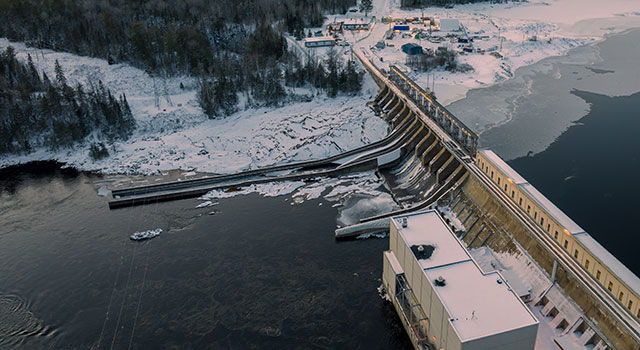
The Baskatong Reservoir, an artificial lake created by the Mercier Dam, stretches over more than 400 km (413 km2).

There are around 900 businesses active in the Vallée-de-la-Gatineau RCM.

The Thirty-One-Mile Lake is a landmark lake renowned for its clear waters. It is a perfect diving location, with some areas offering up to 20 metres of visibility, while also being a popular fishing spot.

The Vallée-de-la-Gatineau receives 18% of the Outaouais region’s tourists and sightseers, making it a destination of choice for tourism and adventure.

The RCM is home to the tallest ski mountain in the Outaouais, the Mont Ste-Marie.

There are two observation towers in the RCM, both open to the public. One is on Mont Morissette (also a regional park) and the other is on Mont Cayamant.

The development of the Vallée-de-la-Gatineau region started in earnest toward the end of the 19th century, thanks to the forestry industry and the burgeoning agriculture sector.

Questions

Where Is the Vallée-de-la-Gatineau RCM Located?

More Less

The Vallée-de-la-Gatineau RCM is located in the northern part of the Outaouais region in Quebec. Its territory follows the Gatineau River valley and covers a vast area made up of forests, lakes, and mountainous terrain. It is one of the largest RCMs in Quebec. The administrative headquarters are located in Gracefield, which holds a central position for regional services.

Which Municipalities Make Up the Vallée-de-la-Gatineau RCM?

More Less

The Vallée-de-la-Gatineau RCM includes the following:

  • Cities: Maniwaki, Gracefield
  • Municipalities and Townships: Aumond, Blue Sea, Bois-Franc, Bouchette, Cayamant, Déléage, Denholm, Egan-Sud, Grand-Remous, Kazabazua, Lac-Sainte-Marie, Low, Messines, Montcerf-Lytton, Sainte-Thérèse-de-la-Gatineau
  • Unorganized Territories: several unincorporated areas are also included within the RCM

The territory also includes the Indigenous community of Kitigan Zibi Anishinabeg, located near Maniwaki, which is an important regional stakeholder. This diversity of communities reflects the varied nature of the territory, combining active villages, lake-based areas, extensive forest zones, and more remote regions.


How Many People Live in the Vallée-de-la-Gatineau RCM and What Is Its Demographic Profile?

More Less

The Vallée-de-la-Gatineau RCM has approximately 20,547 permanent residents, according to the 2021 census. Population density is very low, leaving room for vast natural areas, forests, and lakes. Settlement patterns include villages, small municipalities, and many rural or forested areas.

In addition to its permanent population, the RCM hosts a significant number of seasonal residences, adding a pronounced seasonal dimension to the territory’s demographic profile.

What Languages Are Spoken in the Vallée-de-la-Gatineau RCM?

More Less

The Vallée-de-la-Gatineau RCM is predominantly French-speaking. English is also present in certain communities, and many residents use both languages in their daily lives. Nearby is the Kitigan Zibi Anishinabeg community, where Anishinabemowin is still spoken, contributing to the region’s cultural richness.

What Is Daily Life Like in the Vallée-de-la-Gatineau RCM?

More Less

Daily life in the Vallée-de-la-Gatineau RCM takes place in nature-oriented communities where calm, simplicity, and mutual support play an important role. Residents have access to essential services such as schools, local shops, community centres, libraries, and municipal services.

For more specialized needs, particularly in health care or professional services, many residents travel to cities located outside the RCM.

What Health and Social Services Are Available in the Vallée-de-la-Gatineau RCM?

More Less

The Vallée-de-la-Gatineau RCM offers several health and social services. Residents have access to community health centres, medical clinics, psychosocial services, support for seniors, and home care services.

Maniwaki Hospital provides general health care services as well as emergency care. For more specialized treatment, patients are often referred to other urban centres in the region.

How Can You Get To and Get Around the Vallée-de-la-Gatineau RCM?

More Less

The main access to the RCM is via Route 105, which runs through the Gatineau River valley from south to north. To reach the northern and northwestern parts of the territory, Route 117 provides an important connection toward Abitibi-Témiscamingue.

The RCM also offers public and adapted transportation services for the municipalities it serves, providing an alternative to driving. However, due to the vast size of the territory and the dispersed nature of its communities, the automobile remains the most commonly used mode of transportation.

What Are the Main Tourist Attractions in the Vallée-de-la-Gatineau RCM?

More Less

The Vallée-de-la-Gatineau RCM is known for the richness of its natural landscapes and the wide variety of outdoor activities available. Its main attractions include:

Natural and Outdoor Attractions

  • numerous lakes, rivers, mountains, and forests
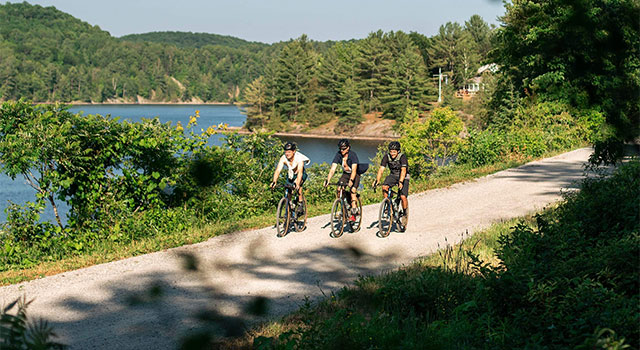
  • the Véloroute des Draveurs, a 72-kilometre trail developed along a former railway corridor
  • hiking trails, including the Sentier des Chênes in Gracefield
  • Mont Ste-Marie, the highest skiable peak in the Outaouais
  • the Baskatong Reservoir, a vast body of water ideal for boating and water activities
  • the observation towers on Mount Morissette and Mount Cayamant

Other Attractions

  • outfitters, cottages, and nature activity centers
  • Indigenous cultural sites that highlight the region’s rich history

These attractions make the Vallée-de-la-Gatineau a popular destination for swimming, canoeing, cycling, fishing, and outdoor adventure.

What Outdoor Activities Can You Enjoy in the Vallée-de-la-Gatineau RCM?

More Less

The Vallée-de-la-Gatineau RCM offers a wide range of outdoor activities thanks to its many lakes, rivers, and vast natural spaces.

Summer and Fall Activities

  • canoeing and kayaking
  • swimming
  • fishing
  • hiking
  • cycling
  • wildlife observation and nature photography

Winter Activities

  • snowmobiling
  • snowshoeing
  • cross-country skiing
  • ice fishing

The abundance of natural environments allows both visitors and residents to enjoy a wide variety of outdoor activities throughout the year.

What Are the Key Economic Sectors in the Vallée-de-la-Gatineau RCM?

More Less

The economy of the Vallée-de-la-Gatineau RCM is built on several key sectors. Forestry and wood processing play an important role, along with resort living and nature-based tourism supported by outfitters, cottages, and outdoor recreation centres.

Local retail, proximity services, and small and medium-sized businesses contribute to the vitality of towns and villages. Agriculture is also present in certain areas, mainly through small-scale family or specialized production.

What Education Services Are Available to Families in the Vallée-de-la-Gatineau RCM?

More Less

Families in the Vallée-de-la-Gatineau RCM have access to education services through both French-language and English-language school systems, which offer elementary and secondary schools in the main communities across the territory. The French-language system serves the majority of students, while English-language education is available in areas where services are offered.

Preschool and Elementary Education

  • French-language elementary schools located in the main communities
  • access to certain English-language elementary schools depending on the area

Secondary Education

  • French-language secondary schools in the main municipalities
  • English-language secondary education available in designated areas

Post-Secondary Education

  • the presence of the Mont-Laurier Collegiate Centre, which offers college-level education within the territory
  • for university studies or certain specialized programs, students generally travel to Gatineau or the Abitibi region

How Does Regional Governance Work in the Vallée-de-la-Gatineau RCM?

More Less

Governance in the Vallée-de-la-Gatineau RCM is based on a council made up of the mayors of the member municipalities, along with a representative for the unorganized territories. This council sets regional priorities and oversees matters such as land use planning, resource management, administrative services, and regional issues.

The warden, elected by universal suffrage by the population of the territory, acts as spokesperson and represents the RCM to government authorities and community partners.

What Regional Services Does the Vallée-de-la-Gatineau RCM Provide?

More Less

The Vallée-de-la-Gatineau RCM delivers several essential regional services, including land use planning, residual materials management, property assessment, watercourse management, and the administration of unorganized territories. It also coordinates emergency measures and contributes to the territory’s economic development.

In addition, the RCM supports initiatives related to housing, community projects, recreation, culture, and the protection of natural environments.

What Are the Development Issues and Priorities in the Vallée-de-la-Gatineau RCM?

More Less

The Vallée-de-la-Gatineau RCM is focusing its efforts on several key development priorities. These include sustainable forest management, protecting lakes and waterways, and improving road and community infrastructure.

Access to housing, support for tourism development, and the promotion of outdoor activities are also important focus areas. Finally, the RCM is working to maintain essential local services and strengthen the territory’s attractiveness for families and new residents.

Why Choose to Settle or Invest in the Vallée-de-la-Gatineau?

More Less

The Vallée-de-la-Gatineau attracts those seeking a calm, natural, and affordable living environment. Residents benefit from wide open spaces, generally lower housing costs, and local services well suited to families.

For entrepreneurs, the region offers a favourable environment for development, particularly in tourism, resort living, accommodation, local services, and forestry. The presence of both permanent and seasonal populations contributes to the territory’s economic vitality.


Vivre en
Outaouais
Étudier en
Outaouais
Investir en
Outaouais
Voyager en
Outaouais